
Hosting and care · Guide
How to choose WordPress hosting for a small business website
Hosting is where your website lives. The right plan keeps your site fast, secure and online; the wrong one brings slow pages, downtime and headaches. This provider-neutral guide covers what a small business WordPress website actually needs, and the questions to ask before you buy.
3 min read · SiteBuddy guide
Hosting, domains and email: what is what
- Hosting is the server space where your website files and database live.
- Your domain name is your web address, registered separately and renewed each year.
- Email is often a separate service again, even when it uses your domain.
A WordPress website needs hosting that supports WordPress: a current version of PHP, a MySQL or MariaDB database, SSL for HTTPS, and admin or SFTP access. Website-builder accounts such as Wix, Squarespace or Shopify can’t host a WordPress site.
The main types of hosting
What it is
Best for
Shared hosting
Your site shares a server with other sites
Most small business websites, if the host is reputable
Managed WordPress hosting
Hosting tuned for WordPress, often with updates, caching and backups handled for you
Owners who want less technical work
VPS or cloud hosting
Your own slice of a server, with more resources
Busier sites, or teams with technical skills
Dedicated server
A whole server for your site
Large, high-traffic sites; rarely needed by small businesses
Why free hosting is a false economy
- Tight storage and bandwidth limits
- Ads placed on your site
- Little or no support
- Weak security and few backup options
- Often no custom domain, which looks unprofessional
Moving a site off free hosting later takes time and can cause downtime, so it usually pays to start on a proper plan.
What to look for
- Free SSL certificates, so your site runs on HTTPS
- Automatic daily backups that you can restore yourself
- Current PHP versions and regular server updates
- Servers in or near Australia, or a content delivery network (CDN), for speed
- A proven uptime record and a public status page
- Malware scanning and a firewall
- Support available at hours that suit you
- A staging area to test changes safely
- Easy access through a control panel or SFTP
- A clear renewal price, not just an introductory discount
Security questions to ask a host
- Is SSL included, and does it renew automatically?
- How do you monitor for attacks and malware?
- How often are servers updated and patched?
- Do you include a firewall and protection against denial-of-service attacks?
- How often are backups taken, how long are they kept, and how do I restore one?
- What happens if a server fails?
Uptime and speed
Uptime is the share of time your site is available. A 99.9% uptime guarantee still allows almost nine hours of downtime a year, so look at a host’s real track record, not just the promise. For speed, look for built-in caching, an up-to-date PHP version and servers close to your customers.
What hosting typically costs
For a small business WordPress website, good shared or entry-level managed hosting is typically about $5 to $15 a month. Watch for low introductory prices that jump at renewal. Your domain name is separate, usually about $15 to $30 a year. For the full picture, see how much a small business website costs.
Keep it in your name
Open the hosting account and register the domain in your own name, then give your developer access rather than ownership. If you ever change providers, you stay in control of your website and your address on the web.
Moving to a new host
- Take a full backup of your files and database first
- Set up and test the site on the new host before switching
- Check your email records, so email isn't interrupted when you change DNS
- Switch DNS at a quiet time and check the site afterwards
- Keep the old hosting for a week or two, just in case
Need a hand?
If you’d rather not deal with hosting yourself, SiteBuddy can set up hosting and connect your domain in your own account for a one-off $79, or look after hosting and your website for you with Hosting + Care. See our WordPress website maintenance and hosting options.
Related service · SiteBuddy Care
Want help with hosting?
We can set up hosting in your own account, or look after your hosting and website for you.
Keep reading
More guides for small businesses
Websites
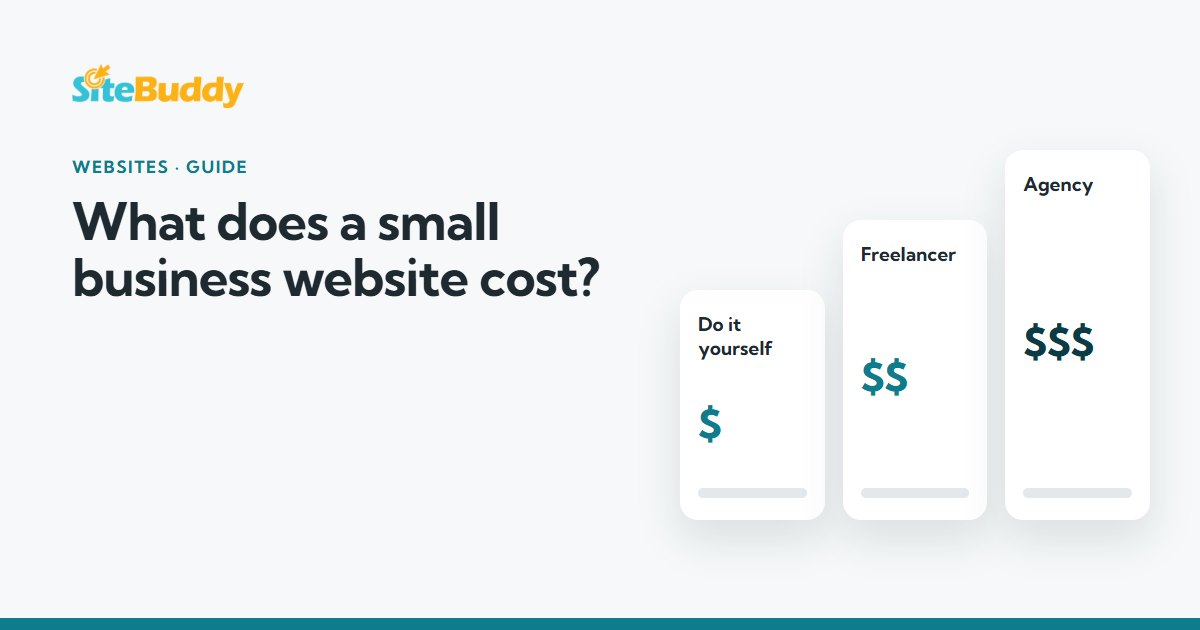
Typical price ranges for DIY, freelancer and agency websites in Australia, the ongoing costs people forget, and how to avoid paying twice.
Local SEO
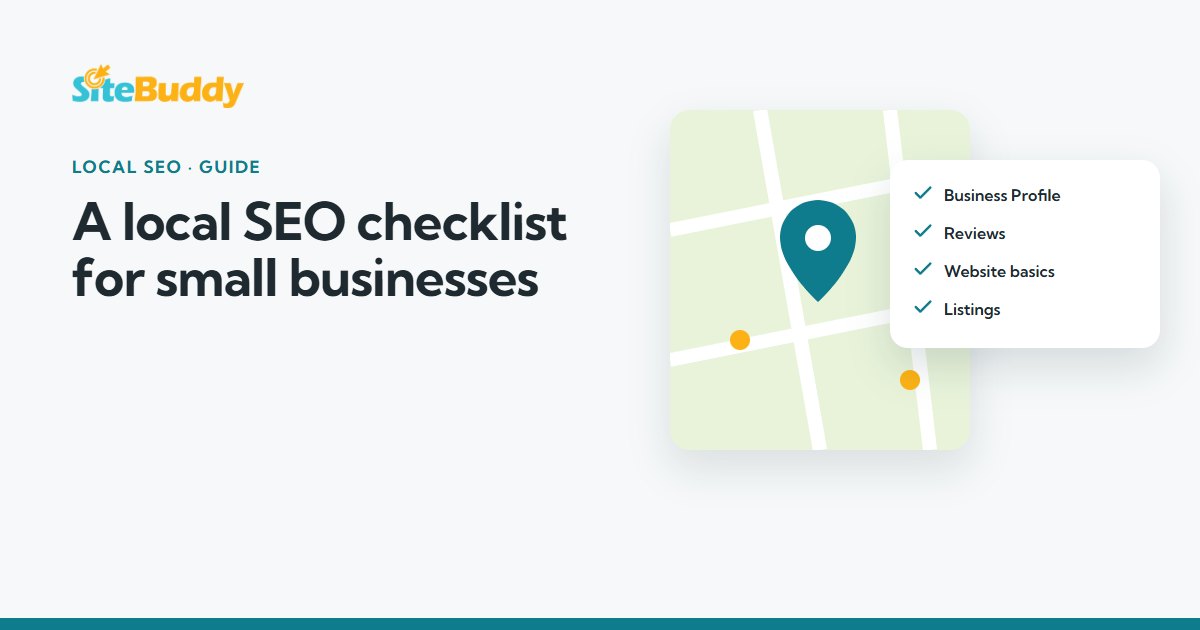
The essentials of local SEO in the order to tackle them: Google Business Profile, reviews, your website, listings and measuring results.